
Transform Your Snacking Habits Today
Discover science-backed strategies for choosing nutrient-dense snacks that fuel your body and support your wellbeing. Expert guidance from Nutritional Powerbase.
The information on this site is for educational purposes only and does not constitute medical advice. Always consult a qualified healthcare professional before making health decisions.
Why Smart Snacking Matters
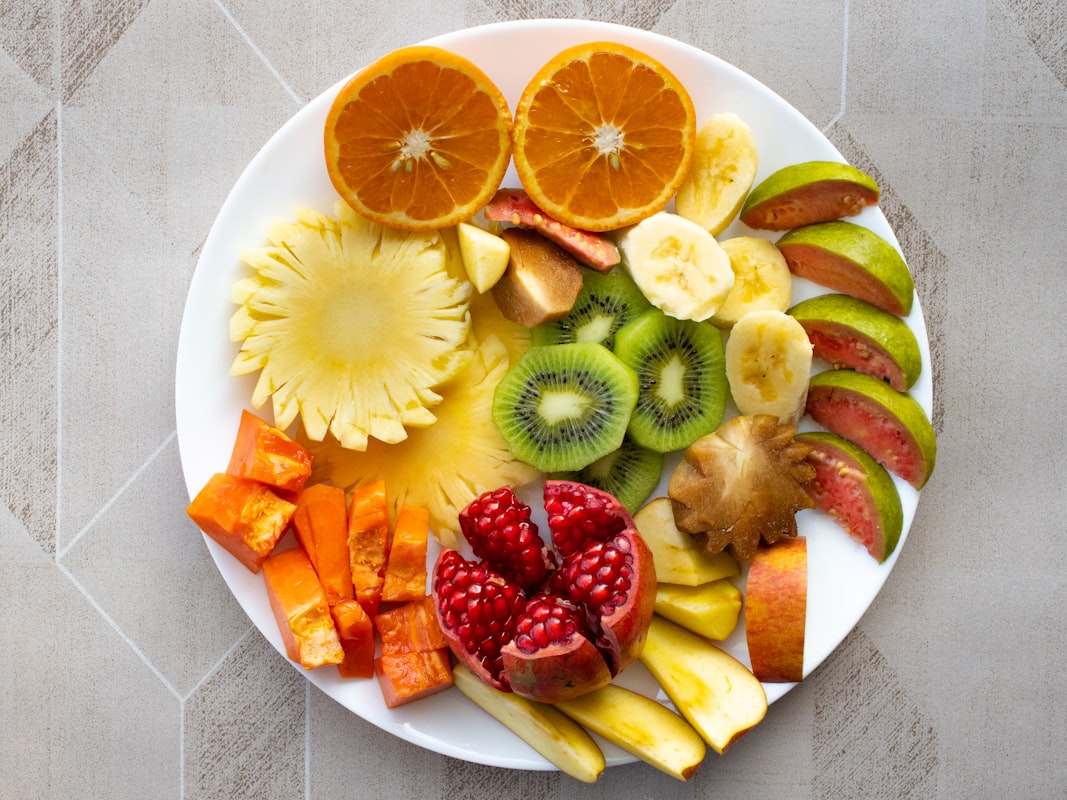
Snacking represents one of the most overlooked opportunities to support your daily nutritional goals. Between meals, your body requires consistent fuel to maintain energy, focus, and metabolic balance. The difference between reaching for nutrient-dense options and processed alternatives can significantly impact your overall wellness journey.
At Nutritional Powerbase, we believe snacking should serve a purpose. Whether you're seeking sustained energy throughout the afternoon, improved concentration during work hours, or better post-exercise recovery, the right snack choices matter more than you might think.
- Maintain stable blood sugar levels with balanced snack choices
- Support muscle recovery and energy replenishment
- Reduce mid-afternoon energy crashes and mental fog
- Make informed decisions aligned with your personal goals
Top Nutrient-Dense Snack Categories
Nuts and Seeds
Rich in plant-based proteins, healthy fats, and minerals. Almonds, walnuts, pumpkin seeds, and sunflower seeds deliver sustained energy and support cardiovascular function. Portion control remains key—a small handful provides satisfying nutrition without excess calories.
Learn moreFresh Fruits
Bursting with vitamins, fibre, and antioxidants, fresh fruits provide natural sweetness and essential micronutrients. Berries, apples, oranges, and bananas offer different nutritional profiles. Choose whole fruit over juice to preserve fibre content and improve satiety.
Learn moreProtein-Rich Options
Greek yogurt, cottage cheese, hard-boiled eggs, and lean meats offer high-quality proteins crucial for muscle maintenance and satiety. These options pair well with fruit or vegetables for balanced snack profiles that stabilise energy and support afternoon productivity.
Learn moreVegetables and Dips
Carrot sticks, celery, bell peppers, and cherry tomatoes deliver minerals, fibre, and very few calories. Pair with hummus, guacamole, or natural nut butters for satisfaction. These combinations provide crunch, flavour, and genuine nutritional substance.
Learn moreHydration and Beverages
Water remains your best option, but herbal teas, coconut water, and unsweetened plant-based drinks offer variety. Proper hydration supports digestion, mental clarity, and energy levels. Avoid sugary drinks that spike blood sugar without providing lasting satisfaction.
Learn moreWhole Grains
Oatcakes, wholemeal crackers, popcorn, and granola provide complex carbohydrates and fibre. These sustain energy release and promote digestive health. Select options with minimal added sugars and pair with protein sources for maximum nutritional benefit and lasting fullness.
Learn moreOur Approach to Healthy Snacking Guidance
Evidence-Based Recommendations
Our editorial team at Nutritional Powerbase focuses on delivering content grounded in current nutritional science and practical life experience. We avoid fads and focus on sustainable, realistic snacking strategies that readers can implement immediately.
Every recommendation considers individual preferences, lifestyle constraints, and real-world scenarios. Whether you travel frequently, work in a busy office, or manage a household, we provide adaptable guidance that fits your circumstances.
Research-Driven Content
Our articles reference established nutritional science and expert insights, helping you make informed snacking decisions.
Practical Implementation
We focus on actionable strategies you can apply today, not theoretical information that sits unused.
Inclusive Perspectives
Our content acknowledges diverse dietary preferences, cultural backgrounds, and individual health circumstances.

Common Snacking Questions Answered
The frequency of snacking depends on your individual schedule, meal timing, and activity level. Most people benefit from one to two snacks between main meals. Morning snackers might have one at 10-11 AM, while afternoon snackers might choose 3-4 PM. Listen to genuine hunger signals rather than eating from habit or boredom. If you're eating balanced main meals with adequate protein and fibre, you may need fewer snacks than someone eating smaller breakfasts or lunches.
A truly healthy snack provides meaningful nutrition relative to its calorie content. It should typically include protein, fibre, or healthy fats—nutrients that promote satiety and stable energy. Look for whole, minimally processed ingredients. A healthy snack doesn't leave you hungrier thirty minutes later or spike your blood sugar dramatically. It also fits within your overall daily nutrient goals and preferences. For example, a handful of almonds with an apple provides protein, healthy fats, fibre, and vitamins—making it fundamentally healthier than a packet of biscuits despite similar calorie counts.
Mindless snacking often stems from boredom, stress, or habit rather than genuine hunger. Start by distinguishing physical hunger from emotional hunger—physical hunger builds gradually and is satisfied by various foods, while emotional hunger craves specific comfort foods and hits suddenly. Remove easy access to mindless snacks by keeping them out of sight. Instead, keep nutrient-dense options visible. Practice pause strategies: when the urge to snack strikes, pause for five minutes. Often the craving passes. Stay hydrated, as thirst frequently masquerades as hunger. Manage stress through movement, breathing, or social connection rather than food alone.
Strategic snacking can genuinely support weight management by preventing excessive hunger that leads to overeating at main meals. When you arrive at lunch or dinner ravenous, you're more likely to consume beyond satisfaction. Well-timed, protein-rich snacks maintain steady energy and reduce the dramatic hunger spikes that trigger overindulgence. However, snacking only helps if the snacks themselves are reasonable portions of nutrient-dense foods. Eating endless "healthy snacks" still contributes calories. The key is treating snacks as intentional fuel, not free-for-all eating opportunities.
Pre-workout snacks should be easily digestible and provide quick energy without causing stomach discomfort. Banana with a small amount of nut butter, oatcakes with honey, or a handful of dried fruit eaten 30-60 minutes before exercise works well. Post-workout snacks should combine carbohydrates and protein within 30-60 minutes to support muscle recovery and replenish glycogen. Greek yogurt with berries, a protein smoothie with fruit, or a boiled egg with toast exemplifies effective post-workout nutrition. The specific timing and composition depend on your exercise intensity, duration, and personal digestion patterns.
Store-bought snack bars vary enormously in quality. Some contain excessive sugar and additives while marketing themselves as "healthy," while others genuinely deliver balanced nutrition in convenient formats. When evaluating bars, check the ingredient list first—you should recognise most ingredients. Look for at least 3-4g protein, reasonable fibre content (ideally 3g+), and minimal added sugars. Compare options on a per-bar basis rather than trusting marketing claims. Many bars are perfectly reasonable occasional options, but they shouldn't completely replace whole-food snacks. The convenience they offer should be weighed against the superior nutritional profile of whole nuts, fresh fruit, or homemade options.
Success Stories from Our Readers
"I've struggled with afternoon energy crashes for years, but the snacking strategies from Nutritional Powerbase completely changed my approach. I started planning snacks intentionally rather than grabbing whatever was convenient, and within two weeks I noticed real improvement in my afternoon focus. The advice feels practical and sustainable—no extreme restrictions, just smarter choices."
Sarah Mitchell
Manchester, United Kingdom
"As someone who travels constantly for work, finding reliable snacking guidance was crucial. The content covers various scenarios and preferences, not just one-size-fits-all advice. I appreciated learning why certain snacks work better than others, which gave me the knowledge to make decisions on my own rather than following rigid rules. This is genuinely empowering information."
James Pemberton
London, United Kingdom
"I was overwhelmed by conflicting nutrition information online, but Nutritional Powerbase provides clear, evidence-based guidance without fear-mongering. Learning about snack combinations that stabilise blood sugar genuinely improved how I feel throughout the day. The writing is accessible and doesn't require a nutrition degree to understand. I've recommended these articles to several friends already."
Emma Richardson
Bristol, United Kingdom
"The practical snack ideas have been game-changers for managing my energy during workouts. I never knew how to fuel my body properly before or after exercise, and the explanations made me understand the 'why' behind the recommendations. Now I'm actually performing better, and I feel better. This isn't theoretical—it's real, applicable knowledge that works."
Marcus Thompson
Edinburgh, United Kingdom
Quick Snacking Tips You Can Use Now
Transform your snacking habits starting today with these straightforward, evidence-based strategies you can implement immediately, whether you're at home, work, or on the go.
Plan Ahead
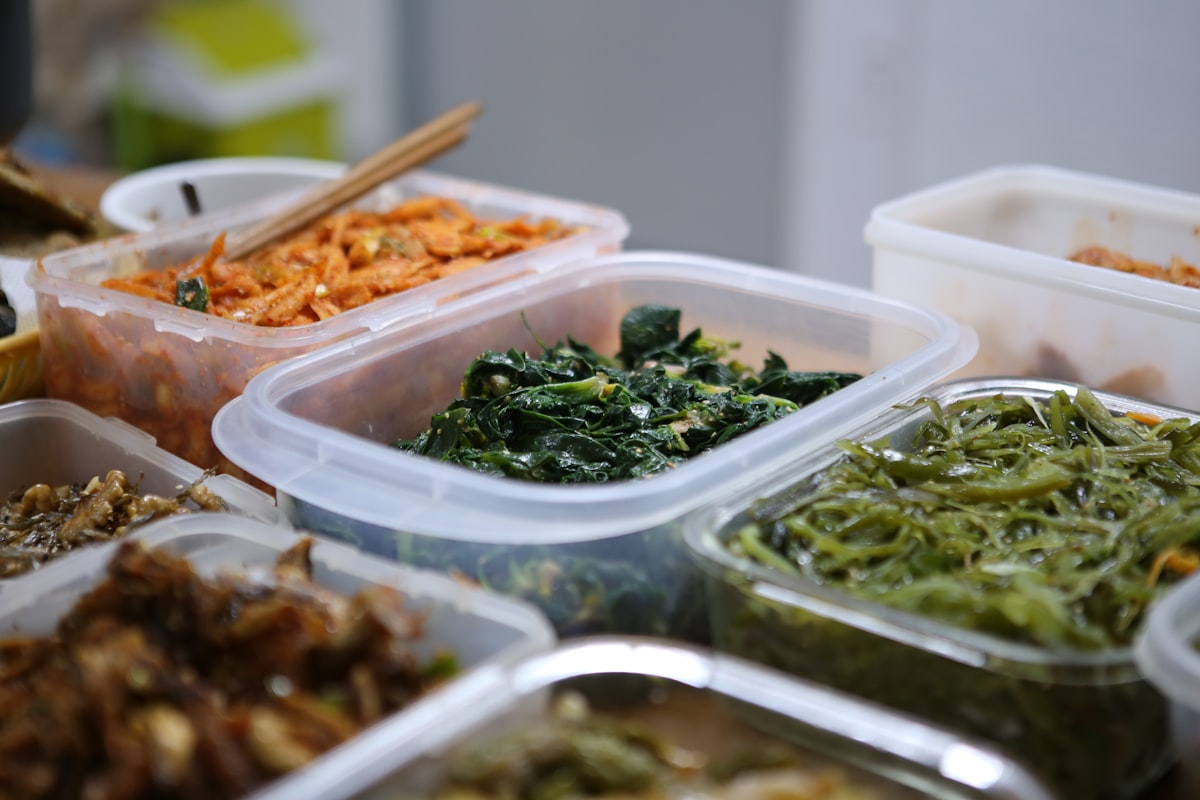
Prepare snacks on Sunday for the week. Pre-portioned nuts, cut vegetables, and fruit in containers remove decision fatigue and prevent reaching for convenient but less nutritious options.
Combine Nutrients
Pair protein with carbohydrates or fat. Apple with almond butter, vegetables with hummus, or oatcakes with cheese creates satisfaction that lasts, preventing subsequent overeating.
Keep Visibility High
Place nutritious snacks at eye level in your fridge and pantry. Store treats further back or out of sight. What you see most frequently is what you'll reach for first.
Read Ingredient Lists
Ignore marketing claims and read actual ingredient lists. Choose products with recognisable, whole ingredients and minimal additives. This simple habit revolutionises snacking quality.
Stay Informed with Our Latest Content
Subscribe to receive updates about new articles, snacking strategies, and nutritional insights delivered to your inbox. Join readers across the United Kingdom who are transforming their approach to daily nutrition.
We respect your privacy. Unsubscribe at any time from the link in our emails.
Ready to Explore More?
Discover detailed snack ideas, meal combinations, and nutritional guidance tailored to different lifestyles and goals. Our comprehensive articles provide the knowledge you need to make snacking decisions that genuinely support your wellbeing.